
Ready for clarity?
Take our quick symptom checker or book a consult. No gaslighting – just care that gets your chemistry.
Women’s Wellness Out Loud.
Hormone Health Longevity Lose WeightThe hormone that brings things back down.
When progesterone drops, the nervous system often feels it first. Sleep gets lighter. Anxiety creeps in. Cycles change. Stress feels louder than it used to.
Clinician-guided progesterone therapy helps restore balance, support sleep, and steady the system during perimenopause and menopause.


Note: Progesterone is not available as a standalone medication. If suitable, a clinician will add Progesterone to your Estrogen prescription.

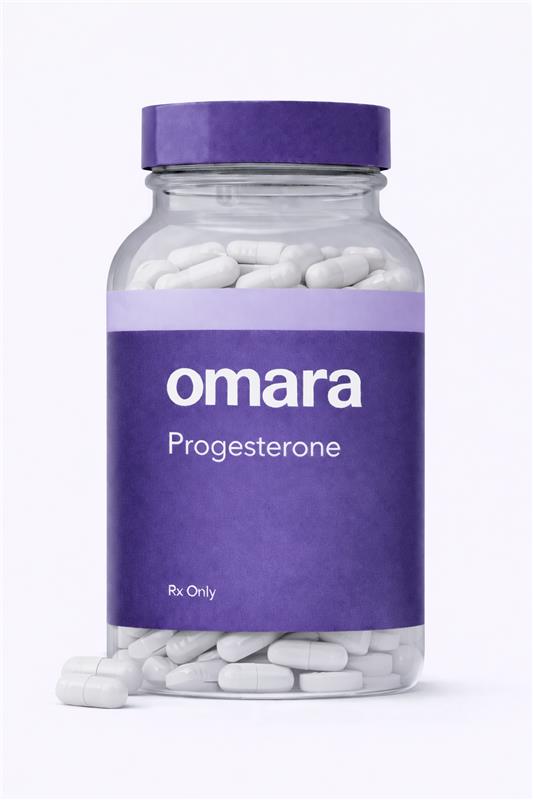
Progesterone therapy is prescribed only after clinical review.
For women using systemic estrogen who have a uterus, progesterone is essential for uterine protection. Dosing and form are selected carefully based on individual needs and medical history.
This is stabilizing care — not something to experiment with on your own.

Support for balance, sleep, and hormonal stability.
Progesterone is a key counterbalance to estrogen and one of the first hormones to decline during perimenopause. When levels drop, symptoms like poor sleep, anxiety, cycle changes, and heightened stress response often follow.
Progesterone therapy focuses on restoring stability
— not stimulation — so the body can settle again.
Available options may include:
Your clinician will determine the form and dose that fits your symptoms and health profile.
Important to Know
If you have a uterus and are prescribed systemic estrogen, progesterone is typically included to protect the uterine lining.
Your clinician will determine whether progesterone is needed based on your anatomy and health history. If appropriate, it will be added seamlessly to your estrogen plan and included in your monthly subscription — no extra steps required.
Note: Progesterone is not available as a standalone medication. If suitable, a clinician will add Progesterone to your Estrogen prescription.
Progesterone therapy is prescribed only after clinical review.
For women using systemic estrogen who have a uterus, progesterone is essential for uterine protection. Dosing and form are selected carefully based on individual needs and medical history.
This is stabilizing care — not something to experiment with on your own.

Testosterone isn’t just a “male hormone.” Women need it too — and levels naturally decline with age, often earlier than people expect.
In perimenopause and menopause, lower testosterone can contribute to fatigue, reduced motivation, lower libido, decreased muscle strength, and a general sense of “flatness.” When appropriate, carefully dosed testosterone therapy can help restore vitality, confidence, and physical resilience.
This is not about excess or extremes. It’s about supporting strength, drive, and overall well-being — thoughtfully and clinically.
Estrogen is a foundational hormone for women’s health. It plays a central role in temperature regulation, mood, sleep, cognition, bone health, and cardiovascular support.
During perimenopause, estrogen levels fluctuate unpredictably. In menopause, they decline more consistently. These changes are often responsible for hot flashes, night sweats, brain fog, sleep disruption, mood shifts, and changes in skin, hair, and body composition.
Estrogen therapy, when appropriate, helps stabilize these shifts — reducing symptoms and supporting overall health during midlife and beyond.
Progesterone is estrogen’s balancing partner. It supports sleep quality, nervous system calm, and uterine health, and plays an important role in hormonal stability.
Progesterone is often the first hormone to decline during perimenopause, which can lead to anxiety, poor sleep, heavier or irregular periods, and increased sensitivity to stress. When estrogen is used in women with a uterus, progesterone is also essential for safety.
Proper progesterone support can help restore balance, improve sleep, and smooth hormonal fluctuations — without overstimulation.

Optional consults with a licensed clinician to review symptoms, dosing, and next steps — because hormone care should always have a human behind it.
All prescribed medications shipped directly to your door. Discreet, reliable, and handled properly from start to finish.
Simple, step-by-step guidance on how to use your medication correctly and confidently — no guessing, no Googling.
Access to our Patient Support team for questions, adjustments, or reassurance along the way. You are never left to figure this out alone.
Connect with trusted experts through a seamless 4-step process designed to help you feel balanced and supported every day.
Start with our quick Omara intake to finally make sense of what your body’s been trying to tell you.
Meet with a hormone-informed clinician who actually listens — and explains what’s really going on.
Prescription care delivered to your door. No waiting rooms. No pharmacy drama. Pajamas welcome.
Because Your Chemistry Isn’t One-and-Done. Real follow-ups. Real support. Real progress.
Get clear, concise answers about symptoms, consultations, prescriptions, and ongoing
support so you always know what to expect.
Progesterone therapy is commonly used to support sleep quality, reduce anxiety, stabilize mood, and address cycle irregularity during perimenopause.
Progesterone levels drop earlier and more unpredictably during perimenopause, which is why symptoms like poor sleep and anxiety often appear before periods stop.
If you have a uterus and are prescribed systemic estrogen, progesterone is typically included to protect the uterine lining. Your clinician will make this determination and, if needed, progesterone will be added seamlessly to your estrogen care plan.
Progesterone is most commonly prescribed as oral capsules or topical creams. The right option depends on symptoms, tolerance, and clinical context.
Some women notice improvements in sleep and calm within weeks, while others need dose adjustments over time. Response varies by individual.
Yes. Omara accepts HSA and FSA payments for eligible services and prescriptions.

Take our quick symptom checker or book a consult. No gaslighting – just care that gets your chemistry.
Women’s Wellness Out Loud.
Hormone Health Longevity Lose Weight