When your hormones change, everything can feel off.
We help you understand the chemistry behind your symptoms — and address it with real medical care.









Not sure where to start? You’re not alone.
Choose the option that feels closest to what you’re experiencing and select a clinician consult. Your provider can walk through your symptoms, answer questions, and adjust your plan if needed.

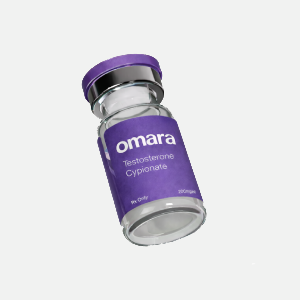
Testosterone isn’t just a “male hormone.” Women need it too — and levels naturally decline with age, often earlier than people expect.
In perimenopause and menopause, lower testosterone can contribute to fatigue, reduced motivation, lower libido, decreased muscle strength, and a general sense of “flatness.” When appropriate, carefully dosed testosterone therapy can help restore vitality, confidence, and physical resilience.
This is not about excess or extremes. It’s about supporting strength, drive, and overall well-being — thoughtfully and clinically.
Estrogen is a foundational hormone for women’s health. It plays a central role in temperature regulation, mood, sleep, cognition, bone health, and cardiovascular support.
During perimenopause, estrogen levels fluctuate unpredictably. In menopause, they decline more consistently. These changes are often responsible for hot flashes, night sweats, brain fog, sleep disruption, mood shifts, and changes in skin, hair, and body composition.
Estrogen therapy, when appropriate, helps stabilize these shifts — reducing symptoms and supporting overall health during midlife and beyond.
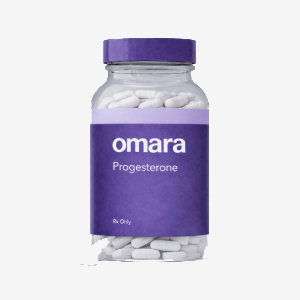
Progesterone is estrogen’s balancing partner. It supports sleep quality, nervous system calm, and uterine health, and plays an important role in hormonal stability.
Progesterone is often the first hormone to decline during perimenopause, which can lead to anxiety, poor sleep, heavier or irregular periods, and increased sensitivity to stress. When estrogen is used in women with a uterus, progesterone is also essential for safety.
Proper progesterone support can help restore balance, improve sleep, and smooth hormonal fluctuations — without overstimulation.
If your sleep is off, your mood is unpredictable, and your desire feels unfamiliar — you’re not losing it.
Your hormones are changing. Loudly.
Omara exists to stop the guessing, cut through the noise, and help you choose care that actually fits your body.
When estrogen loss is driving the chaos.
Estradiol replaces the estrogen your body is no longer producing. It is the most effective treatment for hot flashes, night sweats, disrupted sleep, mood swings, irritability, brain fog, vaginal symptoms — and for some women, changes in libido.
Connect with trusted experts through a seamless 4-step process designed to help you feel balanced and supported every day.
Start with our quick Omara intake to finally make sense of what your body’s been trying to tell you.
Meet with a hormone-informed clinician who actually listens — and explains what’s really going on.
Prescription care delivered to your door. No waiting rooms. No pharmacy drama. Pajamas welcome.
Because Your Chemistry Isn’t One-and-Done. Real follow-ups. Real support. Real progress.
Get clear, concise answers about symptoms, consultations, prescriptions, and ongoing
support so you always know what to expect.
If sleep, mood, energy, weight, focus, or temperature regulation feel off — and standard advice hasn’t helped — hormones are often part of the picture. We look at patterns over time, not isolated symptoms.
We do not default to one protocol or dismiss symptoms as “normal aging.” Care is individualized, clinically guided, and adjusted as your body changes.
Yes. When hormone therapy is used, we prescribe bioidentical hormones that are structurally identical to those your body naturally produces.
For many women, hormone therapy is considered safe and effective when prescribed thoughtfully and monitored over time. Safety depends on your health history, timing, and the type of therapy used.
Not always. Some decisions are guided by symptoms, while others benefit from lab data — your clinician will determine what is useful for you.
If you are still cycling, timing can sometimes influence results. In later perimenopause or menopause, hormone levels fluctuate less predictably, and timing is often less critical.
Progesterone helps balance estrogen, supports sleep and nervous system calm, and is essential for uterine protection in women using systemic estrogen.
Testosterone contributes to energy, motivation, libido, and muscle strength in women. Low-dose therapy may be considered when symptoms suggest deficiency and other hormones are appropriately supported.
Hormones are not the only option. Non-hormonal prescription treatments can help manage symptoms like hot flashes, mood changes, and sleep disruption.
Some women notice improvements within a few weeks, while others need more time and fine-tuning. Hormone care is gradual and adjusted based on how your body responds.
Not necessarily. Some women use hormone therapy short-term, while others continue longer under clinical guidance — the decision is individualized and revisited over time.
Yes. Omara accepts HSA and FSA payments for eligible services and prescriptions.
People love this!

“I came in exhausted and overwhelmed, and within a couple months I noticed better sleep and steadier energy. The process felt thoughtful and not rushed.”
“What stood out was how seriously my symptoms were taken. The clinician explained everything in plain language and the plan actually made sense.”
“Nothing extreme, just gradual improvement. My mood and focus are better, and I don’t feel like I’m fighting my body anymore.”
“Every step felt organized and calm. I appreciated having real follow‑ups instead of being left on my own.”
“I had been told everything was “normal aging.” This was the first time someone actually looked at the full picture.”
“The approach felt balanced and medically grounded. It’s not overnight magic, but the progress has been steady and noticeable.”